 Image: Calumet-Community-Garden-mtg-crop
A Small Town Hall is Transforming Community Engagement in Northern Minnesota
by Blandin Foundation Posted in Grants, Rural Placemaking
Restoring civic spaces for Wirt, Minnesota leads to a more connected community.
In Wirt, Minnesota, a township with a population just over 100 people, the restoration of their town hall building has encouraged the local community to engage with one another in a thoughtful way again.
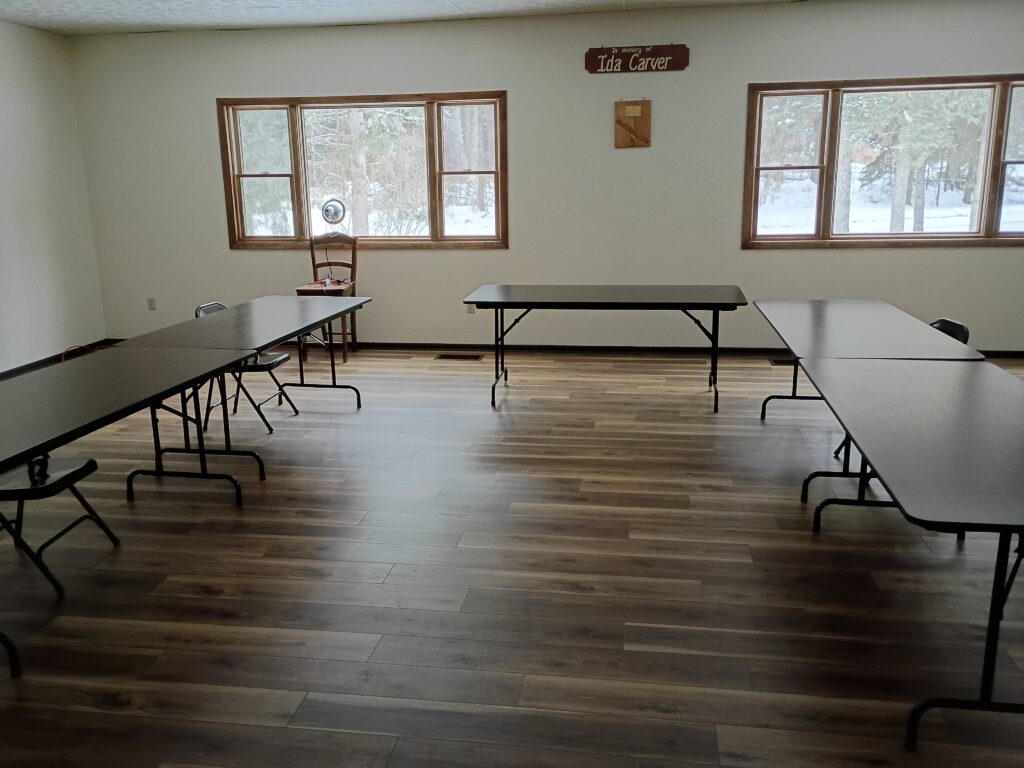
For years, the city hall building faced structural and cosmetic issues, such as damaged siding and old windows and in need of an upgrade, which, if left untouched, would lead to further disrepair. The playground on the property also received an upgrade and now complies with ADA standards, making it more accessible for everyone. Working under a tight yearly budget left the township with little funds leftover to address these needs, but with a $50,000 grant from Blandin Foundation, the building was able to get the attention it deserved.
City Clerk Cheri Carrigan says that these renovations were “much needed upgrades to keep our rural township safe and friendly for all guests.”
Since the restorations have been made, Carrigan says that the excitement from the rural community nearby has led to an increase in reservations of the space, as well as a higher number of people engaged in civic meetings. The space has been used for birthday parties, reunions, movie nights, and as a general gathering space for locals. Township residents are charged a minimal fee, all of which goes back into the upkeep of the town hall, helping to create a sustainable system of use.
The restored town hall is an example of the importance of rural placemaking, a key grant area that Blandin Foundation aims to uplift through the funding of projects just like this. Wirt’s community is an outstanding example of how important it is to have a space for people to gather, be in community with one another, and take pride in where they live. Place-making grants help community members see the importance of investing back into where they live.
The only problem with the renovations, as Carrigan notes, is the need for an upgraded septic system that can handle the new influx of people using the space.
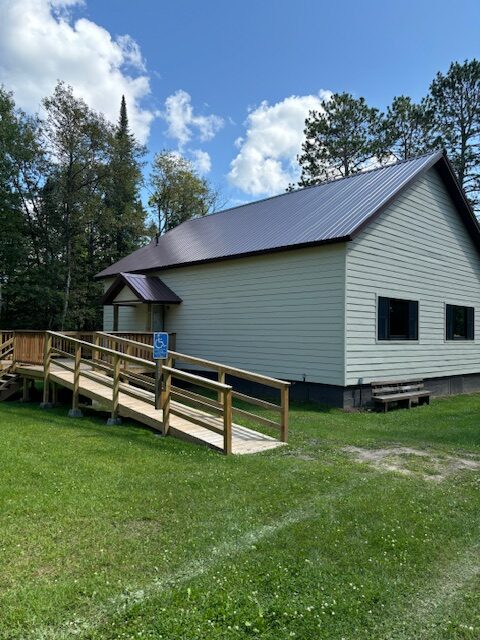
Wirt Town Hall - Exterior of Siding Before
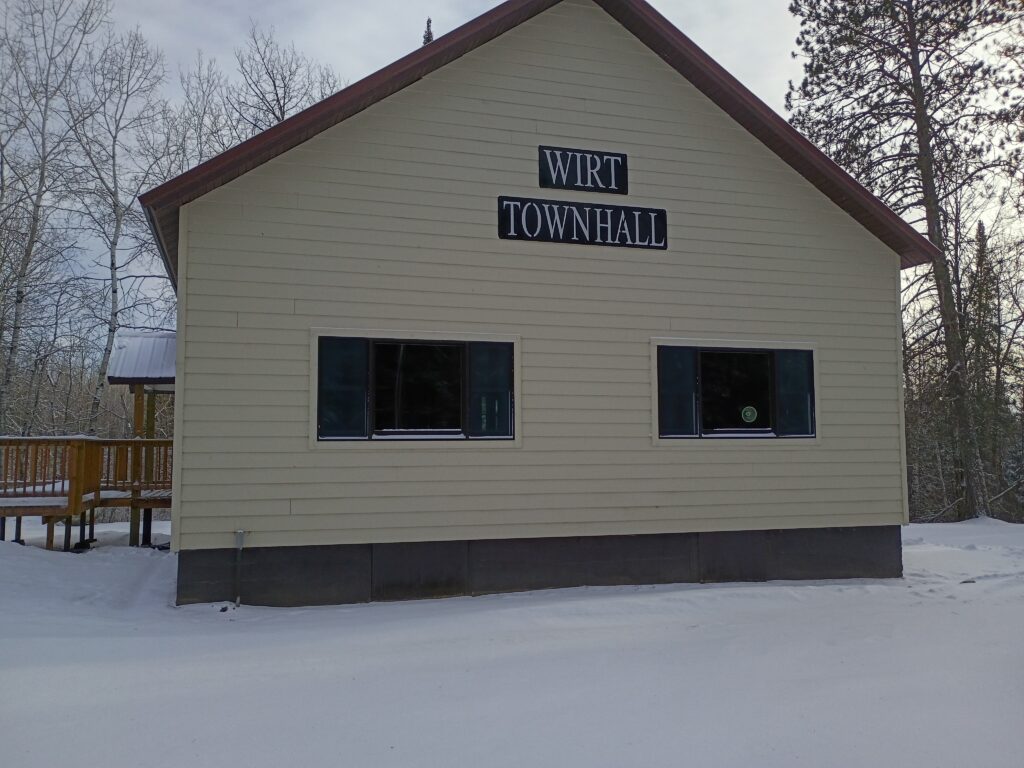
Wirt Town Hall - Exterior Siding
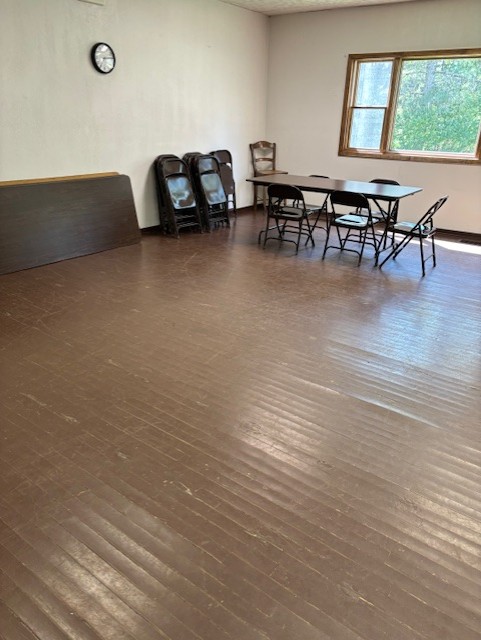
Wirt Town Hall - Interior of Flooring Before
Wirt Town Hall - Interior Windows & Flooring
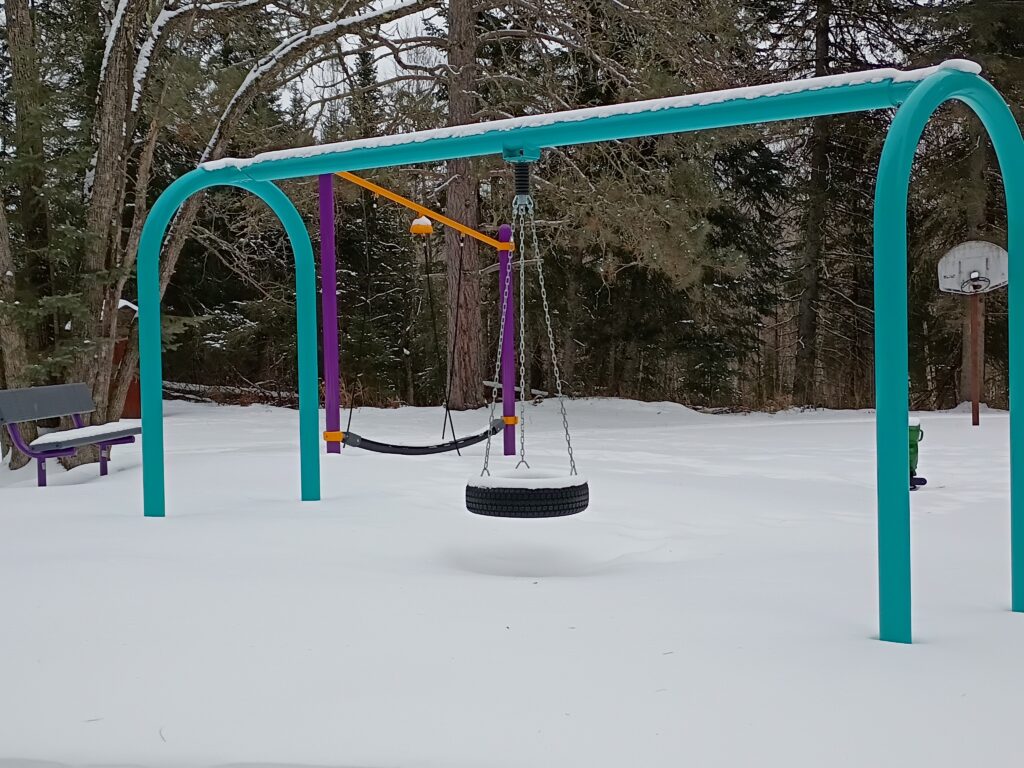
Wirt Town Hall - Exterior Park 1
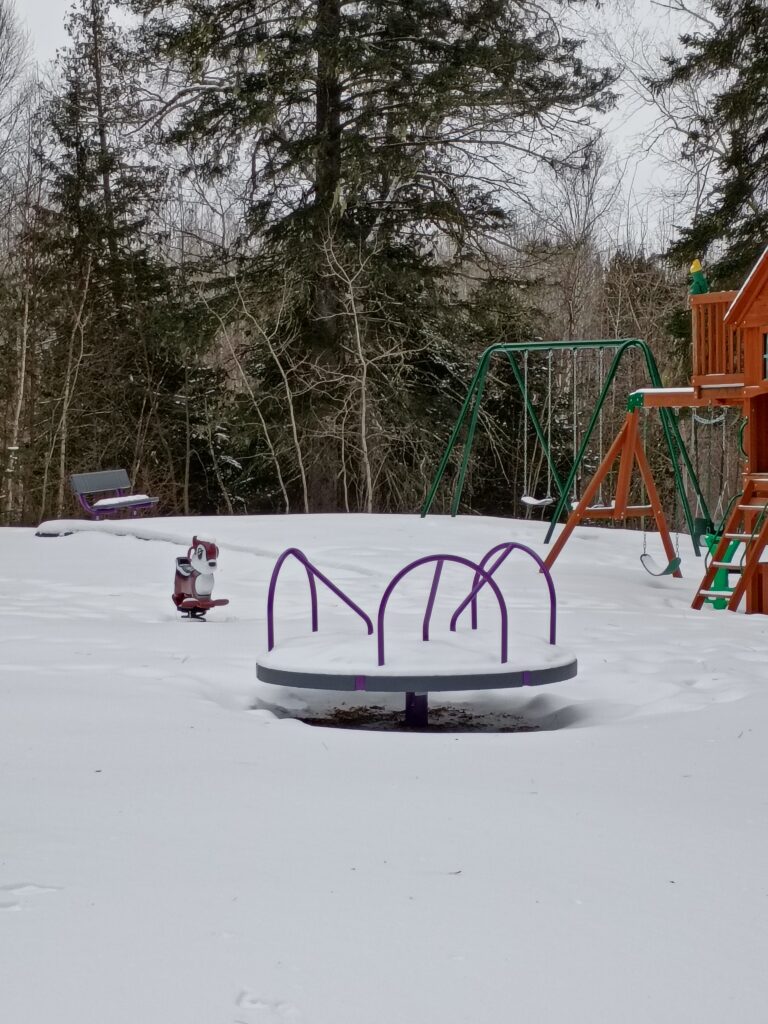
Wirt Town Hall - Exterior Park 2
Sign Up for E-News
Subscribe to our periodic newsletter for updates and opportunities about vibrant rural Minnesota.