 Image: Calumet-Community-Garden-mtg-crop
More Than a Building: How The YES! House Is Creating Places of Possibility in Rural Minnesota
by Blandin Foundation Posted in Grants, Rural Placemaking, Small Communities
On any given day, the doors of The YES! House in downtown Granite Falls, Minnesota, are open.
Someone might be grabbing a cup of coffee before work. A group of artists could be preparing for an evening workshop. Neighbors linger in conversation after a community meeting. Down the hall, volunteers are planning the next event, while another room buzzes with people trying something new for the first time.
It is a vibrant community gathering space, yet the building itself was never the goal.
“The building is a vessel,” said Ashley (Ash) Hanson, Founder and Creative Operating Officer of Department of Public Transformation (DoPT), a nonprofit organization that develops creative strategies for increased community connection, civic engagement, and equitable participation in rural places. “It’s a platform for people to take risks, to try something new, and to connect with one another. That’s where transformation actually happens.”
For Ash, The YES! House isn’t primarily a renovation story. It’s a story about what happens when a community has a place to gather, build relationships, and discover its own capacity to shape the future.
That vision aligns closely with Blandin Foundation’s belief that thriving rural communities are built from within. That’s why Blandin Foundation was an early funder of DoPT’s Say YES! Creative Capital Campaign. Lasting community wealth depends not only on physical infrastructure and economic investment, but also on the relationships, trust, leadership, and sense of belonging that allow communities to solve problems together.
The YES! House was designed to help cultivate exactly those conditions.
A Different Story About Rural Communities
A theater artist by training, Ash spent years creating original productions rooted in the stories of rural communities. One of those projects brought her to Granite Falls, where local leaders invited her to develop a community-based musical inspired by the Minnesota River Valley.
The experience stayed with her. So did the people. “They kept inviting me back,” Ash recalled.
Years later, following the 2016 election, Ash found herself increasingly frustrated by the national narrative surrounding rural America. Too often, she said, rural places were portrayed through stories of decline, division, or scarcity. That wasn’t the rural America she knew.
And so, the recipient of both a Bush Foundation and Obama Foundation fellowship, Ash decided to go looking for another story.
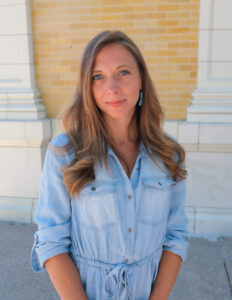
Buying a retired yellow school bus, Ash spent months traveling the country interviewing more than 120 rural artists, community organizers, and local leaders across 24 states about the role creativity could play in strengthening communities.
Again and again, she encountered remarkable work happening in small towns. Artists weren’t simply creating murals or performances. They were bringing neighbors together, helping communities navigate difficult conversations, creating opportunities for civic participation, and strengthening local identity.
These communities and leaders never lack vision or creativity. What is too often missing in rural places is investment, recognition, and spaces where that work could take root.
“I have a rule,” Ash said. “Whenever I find myself thinking, ‘Somebody should do something,’ I realize that’s probably my invitation to do something.”
That realization became the nonprofit organization Department of Public Transformation.
Rather than asking how art could make communities more beautiful, Ash began asking a different question: How could creativity help rural communities become stronger?
Saying Yes!
In Granite Falls, the answer began with a series of unexpected yeses. Ash invited Granite Falls to house a City Artist in Residence program, one of the first of its kind in a town of its size in the country. The City Council gave a unanimous “yes.”
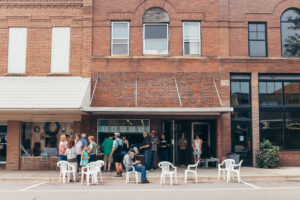
Not long afterward, a local family approached her with another opportunity. After reading about the City’s Artist in Residence program, they offered to donate a long-vacant downtown bank building to support the work. The building had sat largely unused for years. Ash said yes.
Many people saw an aging structure that needed extensive repairs. Ash saw something else: the possibility of creating a place where neighbors could gather, share ideas, learn from one another, and imagine what their community could become.
The name The YES! House reflects the spirit Ash experienced in Granite Falls. Throughout the project’s evolution, she said, community members repeatedly responded to new ideas with a willingness to try them, support them, and build them together.
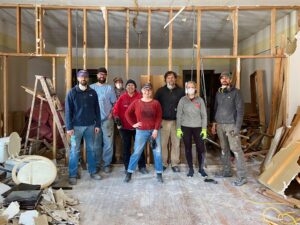
That vision would take time. Renovating the building stretched across nearly eight years and included a global pandemic, rising construction costs, fundraising challenges, and construction delays.
“It was almost eight years of stubborn, gritty work,” Ash said with a laugh.
Yet even while construction continued, something important was already happening. Residents volunteered during demolition days. Community conversations filled unfinished rooms. Artists tested ideas. Local leaders gathered around folding tables to imagine what the space could become.
The building wasn’t finished but the community was already beginning to make it their own.
Building With, Not For
As construction progressed, Ash and her team made a deliberate choice that would shape everything that followed. Before deciding what The YES! House would become, they spent a year listening through formal and informal community conversations, workshops, interviews and feasibility studies. It all helped answer the same question: What does Granite Falls want this place to be?
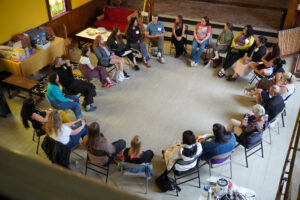
That approach reflects a core belief of Department of Public Transformation. “We build with people,” Ash said. “Not for them.”
Instead of arriving with a finished blueprint, the organization invites residents into the design process from the beginning. The result isn’t simply a building that serves the community. It’s a community that sees itself in the building.
That philosophy continues today. Programming isn’t created solely by staff. Residents help shape it through a Creative Collaboration Team, an Advisory Council, volunteers, teaching artists, and community partners who continually ask what people are curious about, what skills they’d like to share, and what conversations the community wants to have.
Sometimes those ideas are exactly what you might expect from an arts organization. Other times they’re not. One season might feature an artist residency or live music performance. Another might include a knife-making workshop, a graffiti art class, senior tech education classes, or community conversations around local environmental issues.
The goal is less about filling a calendar as it is creating opportunities for people to participate.
Rather than focusing on offering programs for residents, DoPT designs opportunities for residents to help shape, lead, and contribute to community life. Participation, Ash believes, is where lasting community ownership begins. That distinction changes everything.
When “You” Becomes “We”
For many organizations, success is measured by attendance numbers, ticket sales, or program evaluations. The YES! House pays attention to language.
“One of the metrics we use,” Ash explained, “is listening for when people stop saying ‘you’ and start saying ‘we.'”
Early on, community members might say:
“You should offer this class.”
“You should host this event.”
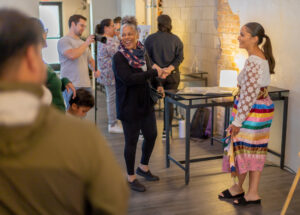
Over time, something shifts.
“We should do this.”
“We should invite these people.”
“We should make this happen.”
That small change reflects a shift, a transformation. Residents begin to see themselves not simply as participants, but as co-creators, as people with ideas worth sharing, as neighbors capable of shaping the future of their community.
For Ash, that’s the real transformation. She believes that when people begin to see themselves differently, they also begin to experience their community differently. New confidence often leads to new relationships, new leadership, and new ideas about what’s possible.
Again and again, she has watched people walk through the doors believing they had little to offer, only to discover hidden talents, new relationships, or unexpected leadership abilities.
Someone who came to attend a workshop becomes the next person teaching one. A volunteer becomes a community organizer. An artist finds collaborators. A resident who once sat quietly in the back of the room begins leading conversations.
These outcomes weren’t listed in the architectural plans yet they may be the building’s greatest impact.
Creativity as Community Infrastructure
When Ash talks about creativity, she isn’t talking primarily about paintings, performances, or exhibitions. She’s talking about community.
“So often arts are treated like the cherry on top,” she said. “We like to say we’re not the cherry on top. We’re the sugar in the ice cream.”
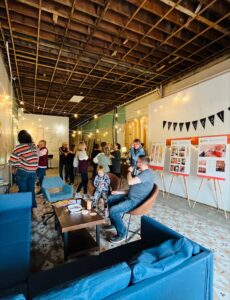
It’s a phrase she returns to often because it reframes the role creativity plays in rural communities.
Rather than something nice to add after more pressing needs have been addressed, Ash sees creativity as helping communities address those needs in the first place.
Artists ask questions. They bring people together. They help neighbors imagine different futures. They create spaces where trust can grow.
In communities navigating economic change, demographic shifts, workforce shortages, or civic division, those qualities matter.
“Ultimately,” Ash said, “we’re cultivating the soil communities need to thrive.”
That idea resonates with Blandin Foundation’s own approach to rural vitality.
Community wealth isn’t created only through new businesses, housing developments, or infrastructure projects. It is also built through relationships, local leadership, civic participation, and places where people feel they belong and believe they can make a difference.
The YES! House invests in those forms of wealth every day, not by telling communities who they should become but by creating opportunities for communities to discover that for themselves.
The work has also expanded beyond Granite Falls. Lessons learned through The YES! House now inform Department of Public Transformation’s work with rural communities across Minnesota through initiatives like Activate Rural and Engage Rural, recently launched with support from another Blandin Foundation grant. Rather than replicating a building, DoPT is sharing a process rooted in listening, local leadership, and community ownership.
The organization often talks about creating “places of possibility.” Places where people feel welcome. Places where ideas can be tested. Places where communities begin telling stories of abundance instead of scarcity. For Ash, that’s the work.
Investing in Possibility
By the time Blandin Foundation made its first grant to Department of Public Transformation in 2020, the vision for The YES! House was compelling. The path to get there, however, was anything but certain.
The building required extensive renovation. The fundraising campaign was still underway. No one could predict a global pandemic, supply chain disruptions, or the rising construction costs that would follow.
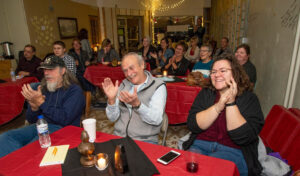
Like many ambitious rural projects, The YES! House would need to adapt without losing sight of its purpose.
That’s where partnership mattered.
Blandin’s early grant funding helped move the project from vision toward reality. As new challenges emerged and the scope of the project evolved, a second grant helped Department of Public Transformation complete the work and prepare the building for long-term success.
For Ash, the support represented more than financial investment. She describes Blandin as an early partner that understood the broader vision behind The YES! House. Rather than simply supporting the renovation of a historic building, Blandin recognized the opportunity to invest in rural renovation and create a space that could strengthen community connection, creativity, and civic participation.
“Projects like The YES! House remind us that community transformation doesn’t happen all at once,” said Mary Magnuson, rural placemaking grants program officer at Blandin Foundation. “Blandin was able to support both the early vision and the final steps because we saw a community committed to building something together. The project aligns closely with our investment in leadership by creating a place where participation is radically accessible and everyone has an opportunity to contribute. It’s also pushing the conversation forward by partnering with Metris Arts to better understand and measure the economic value that arts and culture generate in rural communities. That’s the kind of innovation that helps strengthen all rural places for the long term.”
Blandin Foundation’s grantmaking is grounded in the belief that communities themselves are best positioned to identify opportunities, cultivate local leadership, and create lasting change. Sometimes that means investing in a housing initiative, a child care solution, a local business, or broadband infrastructure. Other times, it means investing in a gathering place where neighbors discover they have the relationships and confidence to tackle those challenges together.
The YES! House represents that kind of investment. Not because every outcome could be predicted from the beginning, but because the leadership, community commitment, and vision were already embedded and evident.
A Model That Continues to Grow
As Ash reflected on the last eight years, she didn’t spend much time talking about construction milestones or fundraising goals.
She talked about people. The neighbors who now see The YES! House as their place. The artists who found a home for their work. The volunteers who became leaders. The conversations that turned strangers into collaborators.
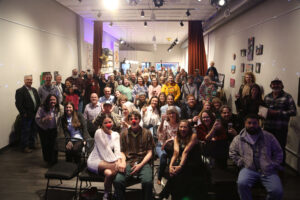
That simple shift – from “you” to “we” – signals something much bigger: A community that sees itself not as an audience, but as an active participant in creating its own future.
“We’re trying to create places of possibility,” Ash said. “Places where people see themselves differently, see each other differently, and begin telling stories of abundance instead of scarcity.”
That’s ultimately what The YES! House has become: A beautifully restored building, and a creative rural place where people gather, where leadership emerges, and where creativity strengthens community.
A place where saying “yes!” becomes contagious.
Photos courtesy of Department of Public Transformation and Homeboat Collective
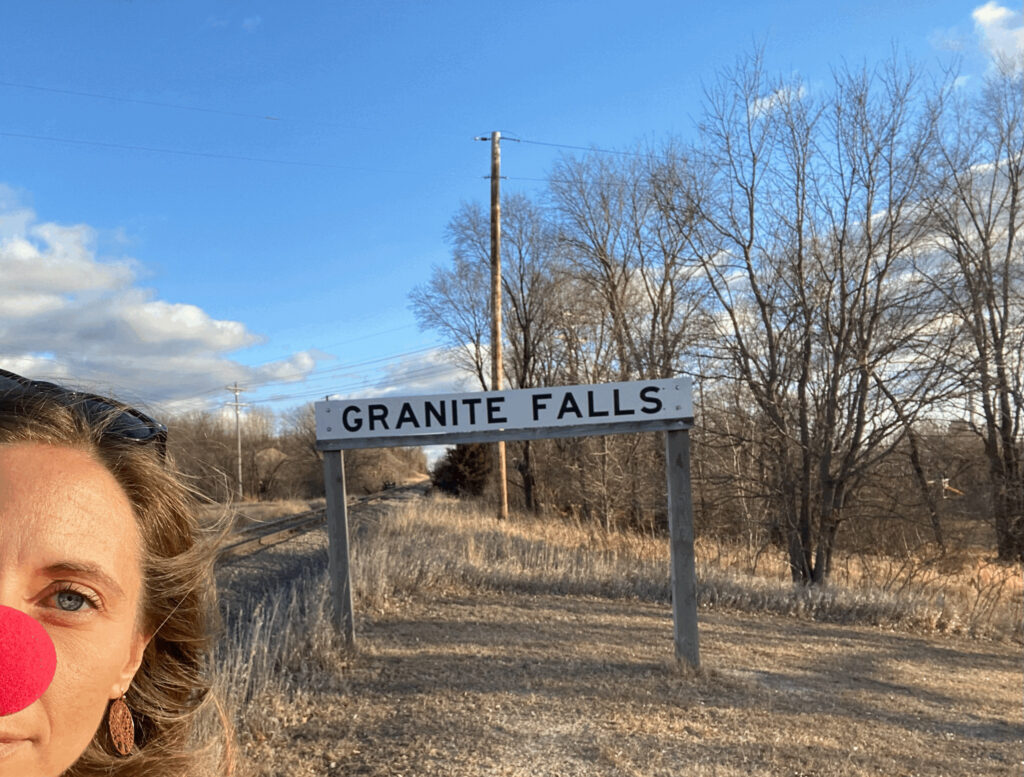
Local roots, big possibilities. A place where rural creativity can take center stage.
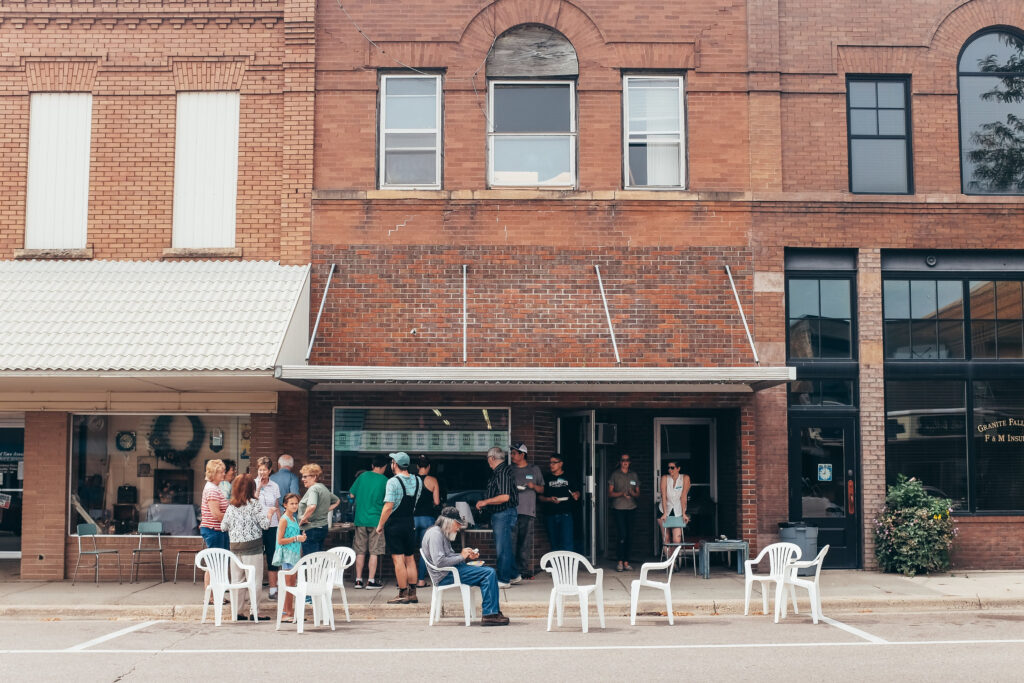
Creativity lives here. The YES! House is a space for artists, community members, and curious minds alike.
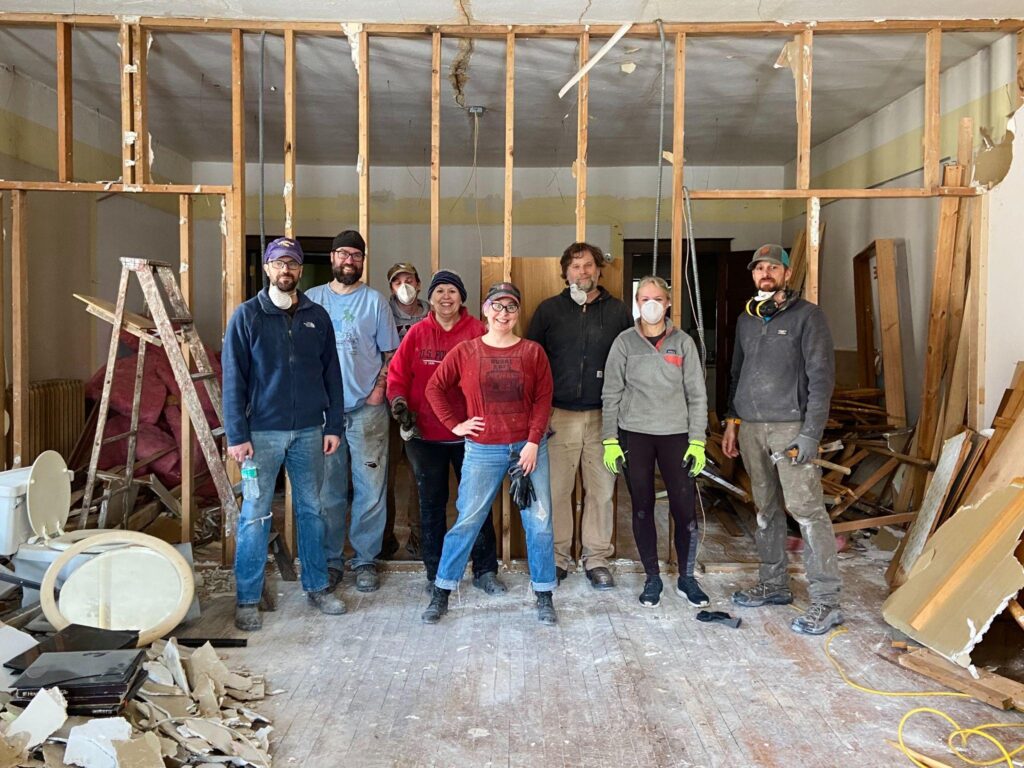
Built for belonging. Every corner of The YES! House is designed to bring people together.
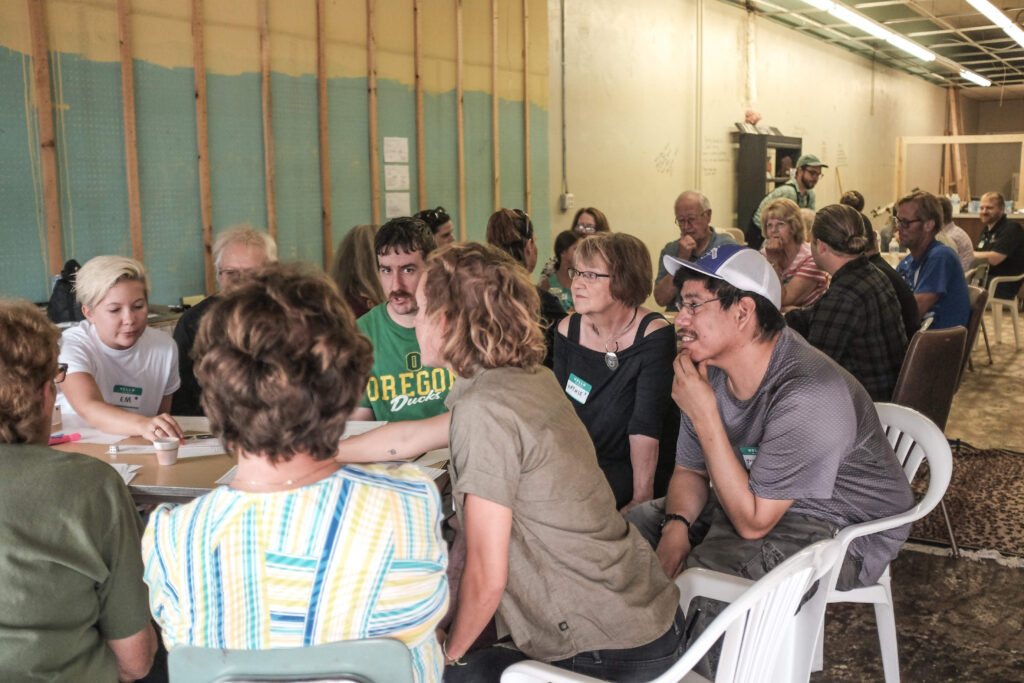
Come for the event. Stay for the community. The YES! House is a place to connect long after the program ends.
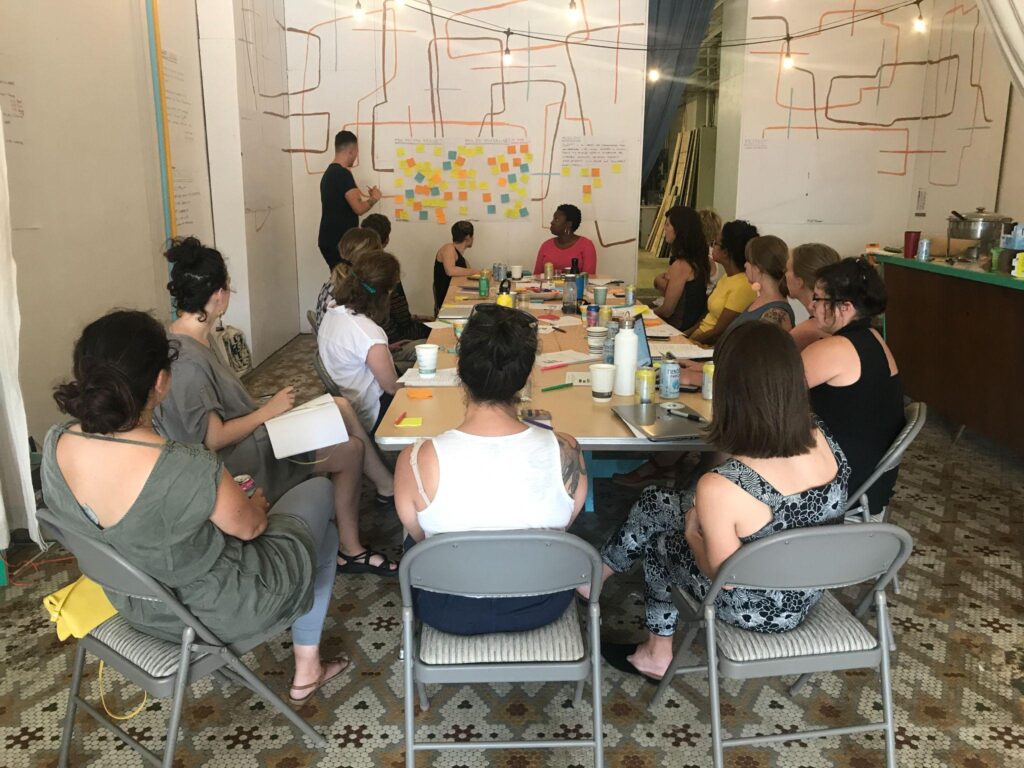
A space with a story. The YES! House has been transformed into a home for creativity and community in Granite Falls.
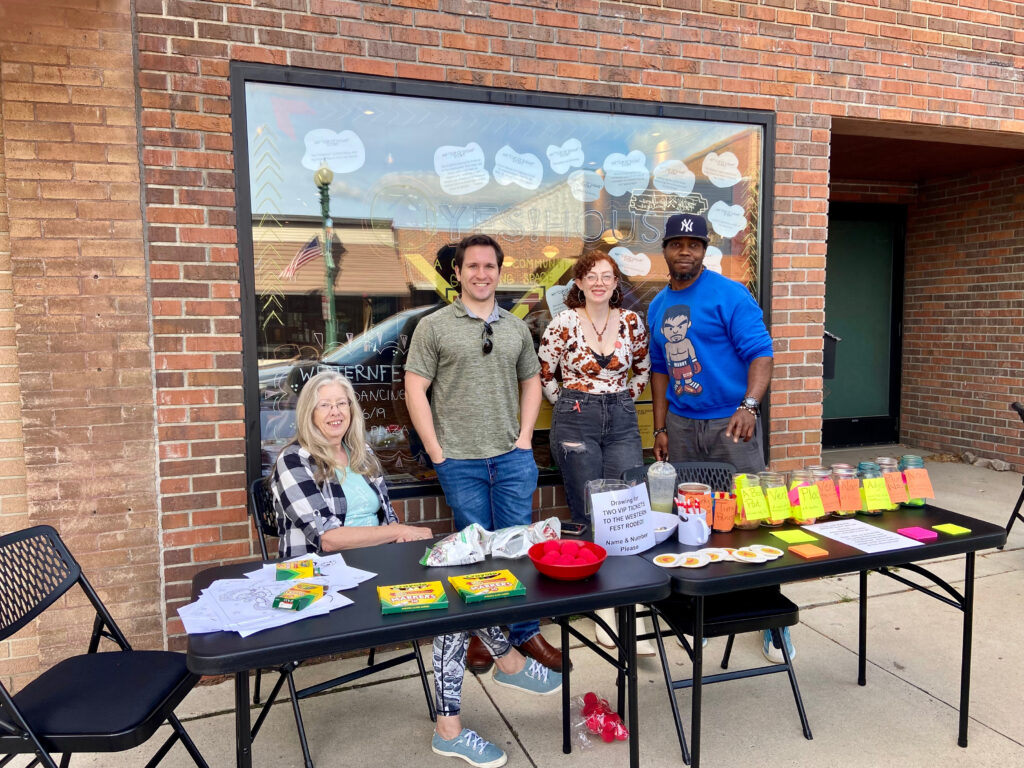
Come as you are. The YES! House is a welcoming space for connection, creativity, and community.
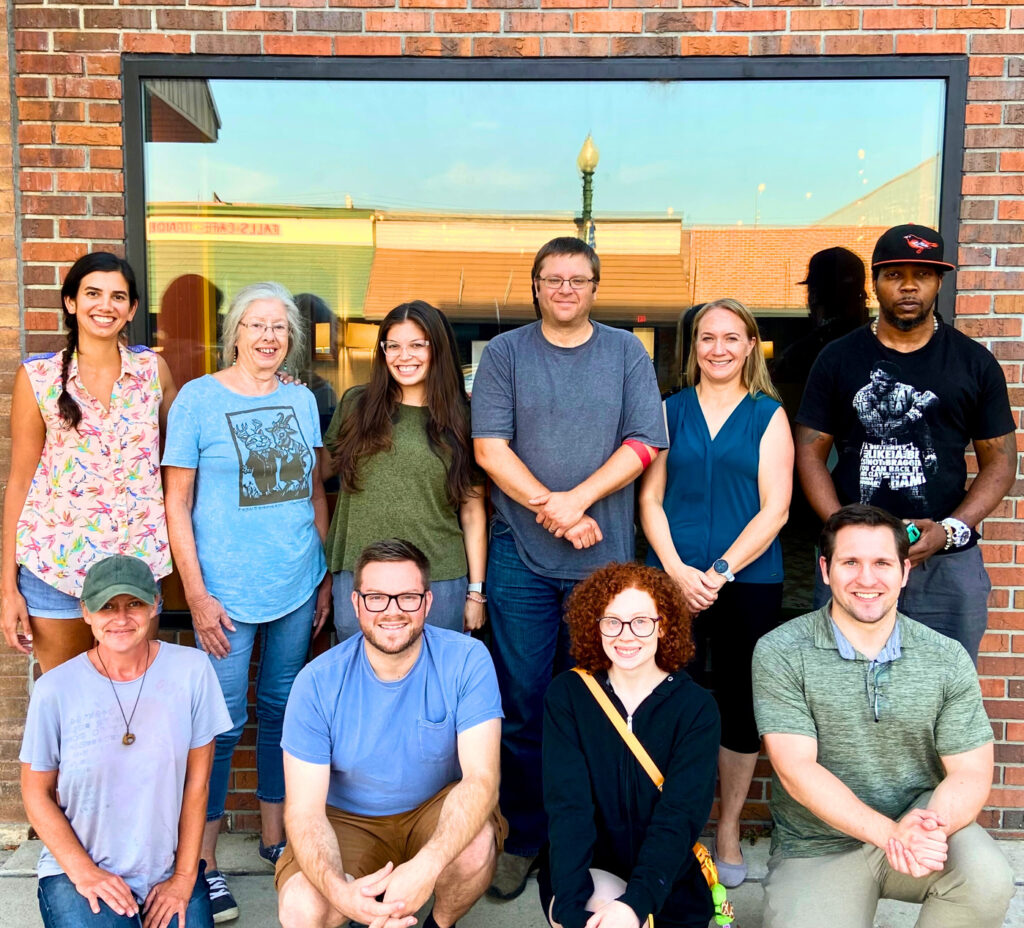
More than a building. The YES! House is a gathering place, a creative hub, and a community resource.
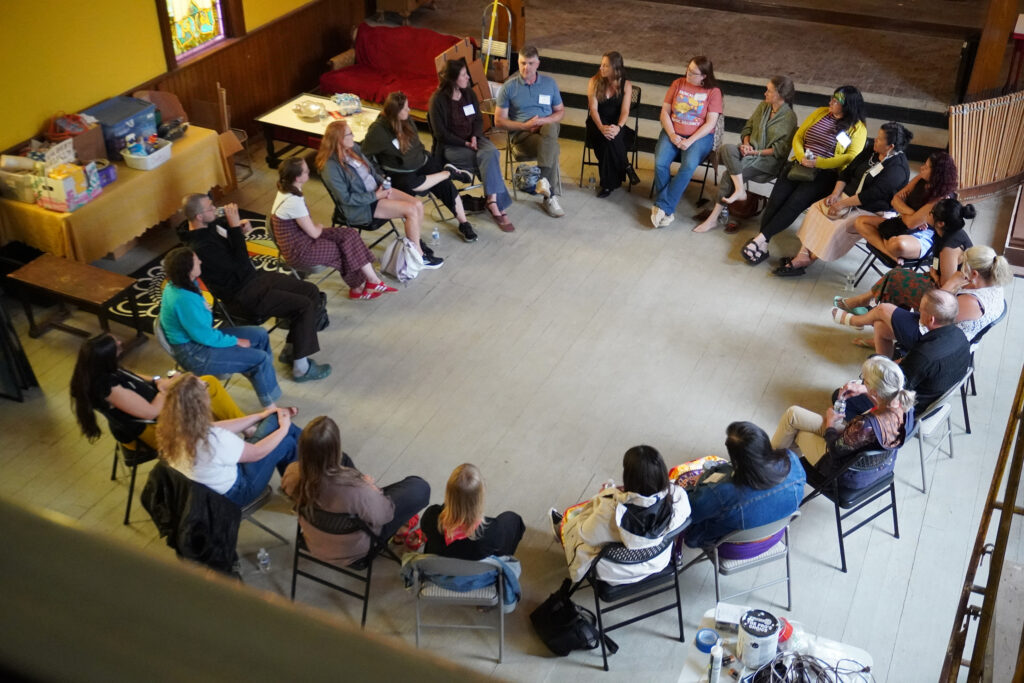
A home for rural creativity. Celebrating the artists, makers, storytellers, and dreamers who make this region special.
Made for making. From art and music to workshops and gatherings, there’s always something happening at The YES! House.
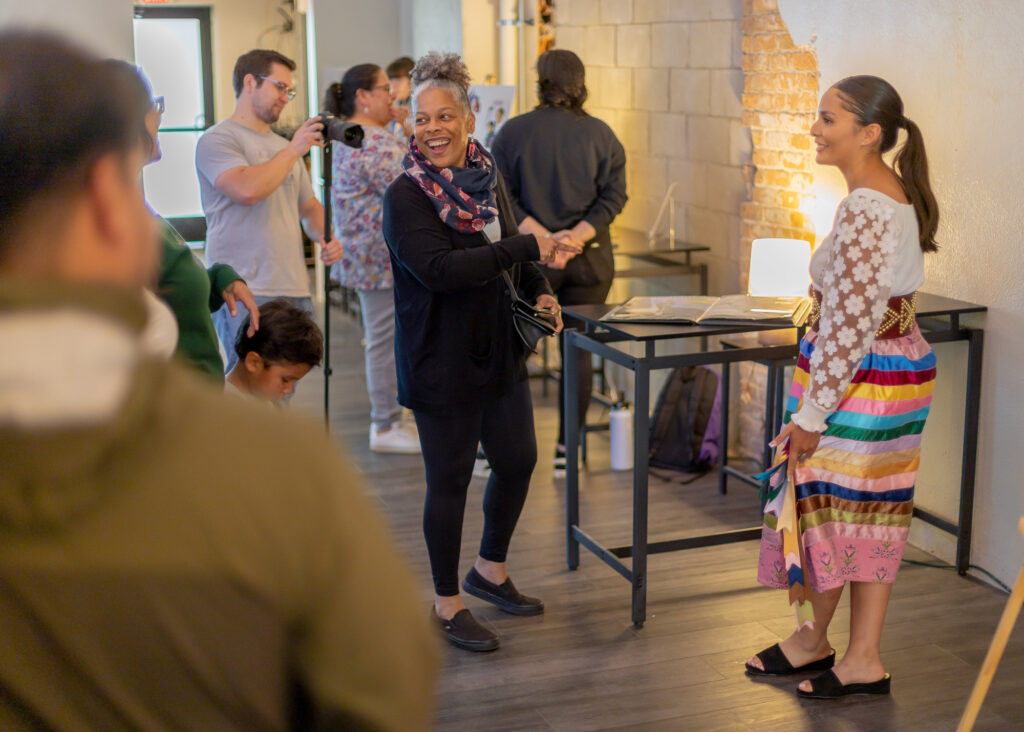
There’s always room for one more. Pull up a chair, join the conversation, and make yourself at home.
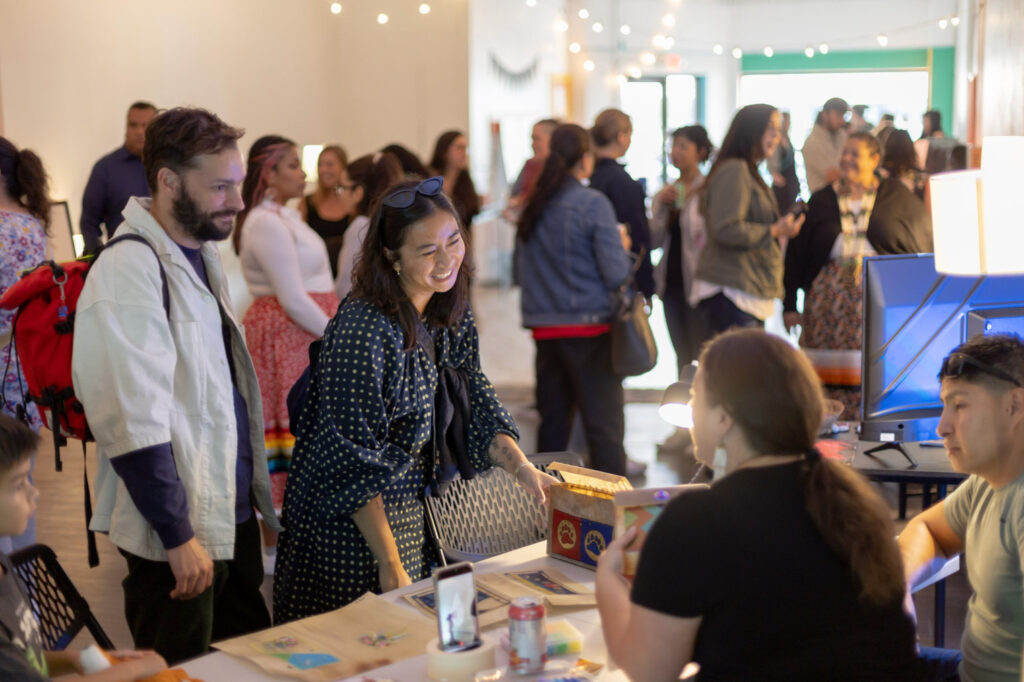
Where ideas become action. Creative ideas can spark meaningful change when people have a place to gather.
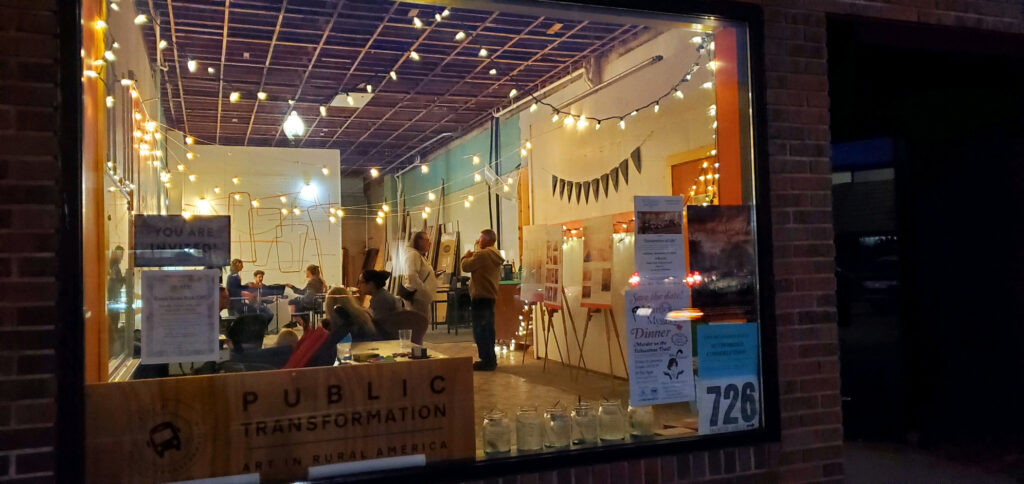
Room for big ideas. A space where creativity has room to grow.
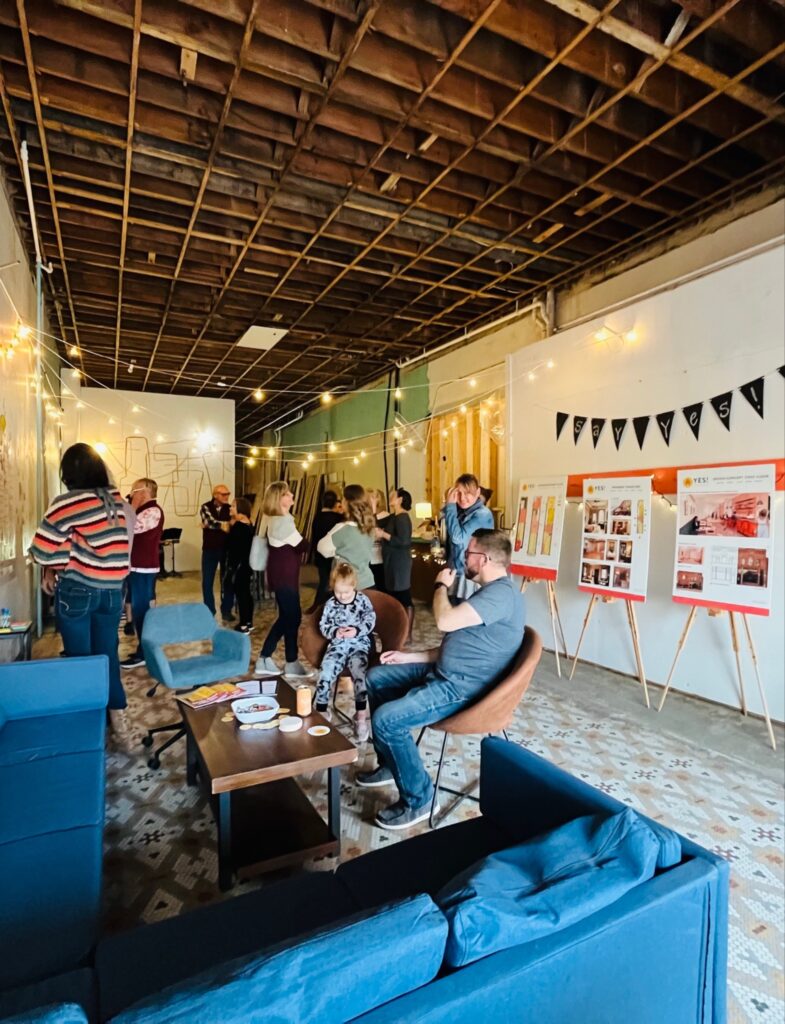
Small town, big creative energy. The YES! House is one of the places that makes Granite Falls a little more vibrant.
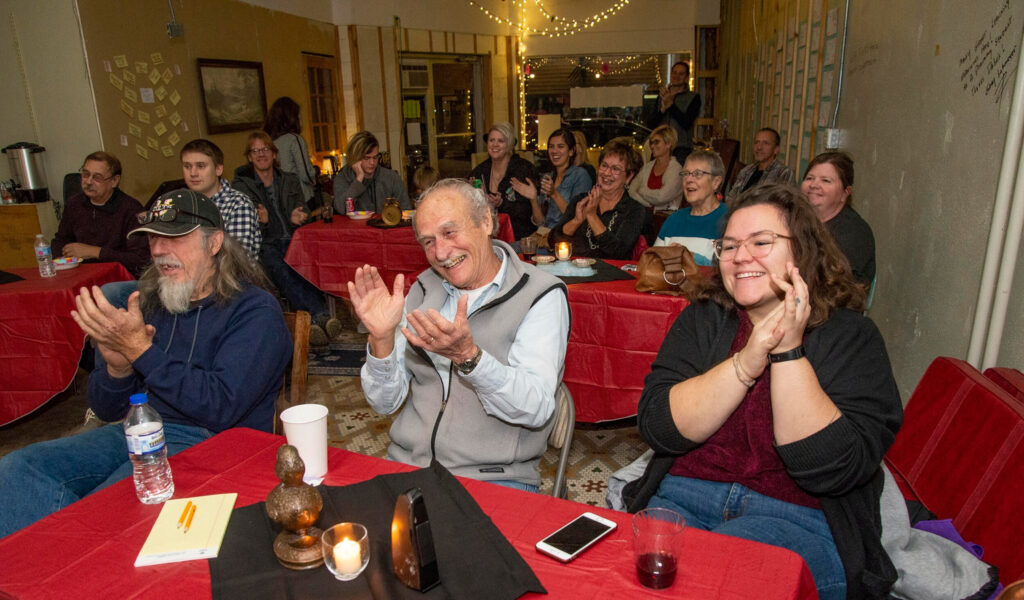
A place to gather. The YES! House brings people together through creativity, conversation, and community.
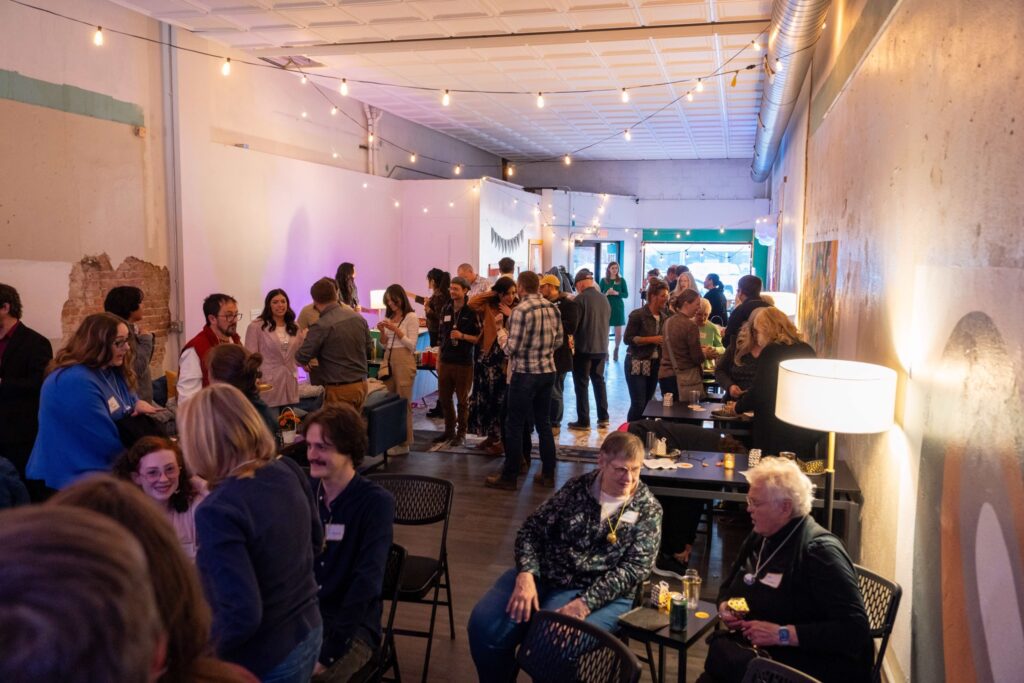
Made for connection. Because some of the best ideas begin with simply being in a room together.
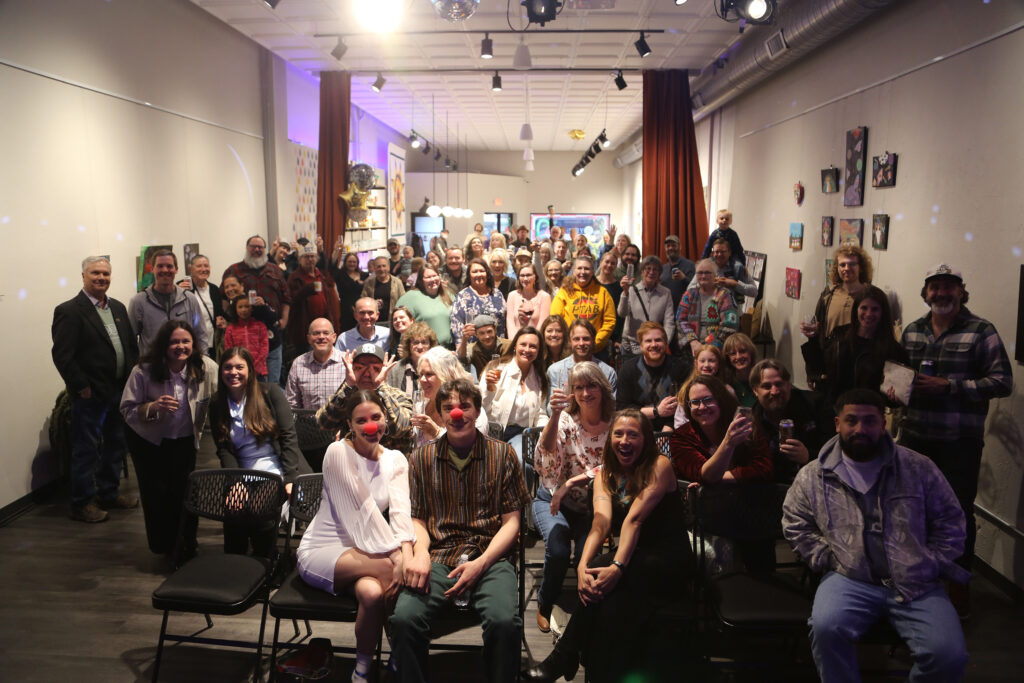
Celebrating the people who helped bring The YES! House to life at our Grand Opening!
Sign Up for E-News
Subscribe to our periodic newsletter for updates and opportunities about vibrant rural Minnesota.