 Image: Calumet-Community-Garden-mtg-crop
The Power of Catalyst Funding: Investing in Rural Communities to Create Lasting Impact
by Mackenzie Grubbs Posted in Grants, Rural Placemaking
The New York Mills Regional Cultural Center, a community anchor and a vision for rural creativity, acts as a catalyst to lasting community success
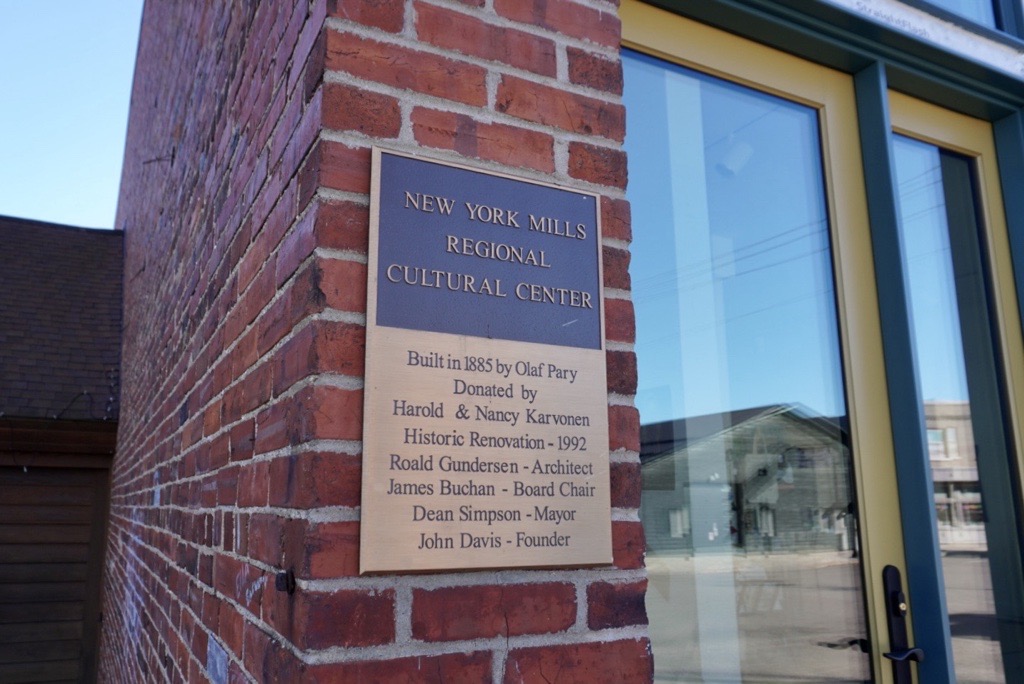 In the oldest building on the one-block downtown of New York Mills, Minnesota, sits the New York Mills Regional Cultural Center. What was once an empty building facing potential demolition in the 1980s has become a cultural anchor in a rural community—and one of the first of its kind in the country.
The vision began with artist John Davis, who recognized a genuine interest in arts and culture in rural Minnesota, and an opportunity to increase access to creative experiences and create a space for rural artists to connect. In 1990, Davis established the New York Mills Arts Retreat, creating opportunities for artists to connect with the community. Two years later, the Regional Cultural Center opened in a renovated historic building on Main Avenue. What began as an ambitious idea became a permanent community asset, bringing new experiences, creativity and connections to a region that otherwise had limited access to them.
The impact of that investment became apparent early on. Within the first five years of the Cultural Center’s opening, New York Mills experienced a 40% increase in job growth, with 17 businesses opening or relocating to the community, according to Executive Director Betsy Roder. The Cultural Center had become more than a place to experience art; it was helping attract people, businesses, and new opportunities to the region.
Today, the organization continues to build on that legacy through its $2.3 million Cultivating Community Capital Campaign. The project focuses on preserving and renovating its historic 1885 building while expanding what the Center can offer. Planned improvements include structural and infrastructure upgrades, expanded studio and educational spaces, an elevator to improve accessibility, and enhancements to the Sculpture Park and Arts Retreat residency program. One of the larger renovation plans includes adding a coffee shop with a drive thru to the back of the building, fulfilling a long-awaited community wish for local coffee while supporting the local economy. 
For the Cultural Center, this investment represents more than keeping a historic building. It is about ensuring the organization can continue serving rural Minnesota while creating new opportunities for residents, artists, and visitors.
“We’ve always taken the approach that we try to build partnerships and collaborations, as opposed to just saying, hey, give us money,” Roder explains.
That approach has helped the Cultural Center build relationships with funders, donors, community members, and regional partners who recognize the value of investing in a shared community asset.
Catalyst Funding: Investing in Organizations and Their Potential
Private foundations help rural communities turn ideas into action. Through grantmaking, foundations can provide more than financial resources; they can provide the catalyst that helps organizations move from possibility to progress.
Catalyst funding is an investment designed to spark momentum. It can help organizations launch an innovative project, address immediate need, build organizational capacity, or bring together partners around a shared vision. Just as importantly, it can create the conditions for additional investment, collaboration, and long-term sustainability.
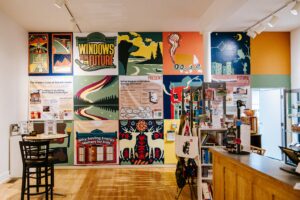
Blandin Foundation’s Program Officer for Rural Placemaking, Mary Magnuson explains how catalyst funding can be particularly important in the early stages of a project, when an organization’s vision may seem daunting to both its leadership and the surrounding community.
“A significant early investment can change how people perceive a project’s potential. When a foundation or donor demonstrates confidence in an idea, it sends a message that the project is achievable and that the community is worth investing in. That confidence can motivate organizational leaders, encourage public participation, and give other donors greater assurance that their contributions will make a difference.”
For smaller rural organizations, securing that initial investment can be particularly challenging. Larger donors and foundations may hesitate to commit until an organization demonstrates that it can raise enough money to complete a project. Without an initial commitment, however, it can be difficult to generate the momentum needed to attract additional support.
This creates an important opportunity for private foundations: to help bridge the gap between a community’s vision and its ability to bring that vision to life.
For the New York Mills Regional Cultural Center, Blandin Foundation’s $100,000 investment in its capital campaign has helped strengthen its ability to communicate the broader value of its work and attract additional support.
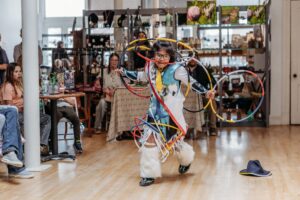
“In terms of the impact, for those that are familiar with Blandin, it really adds validity to our campaign to be able to say, ‘Blandin has decided that they’re investing $100,000 in this project,'” Roder says.
That validation can be especially important in rural communities, where relationships and regional networks play a significant role in bringing projects to fruition.
“I think what we’re realizing is it’s really more about relationship building,” Roder says of working with foundations and other funding partners.
Magnuson also emphasizes that catalyst funding isn’t necessarily limited to the first dollars invested in a project. While an initial commitment can help generate momentum, additional funding can be equally important in ensuring projects are completed as originally envisioned, rather than compromise its original goals.
Blandin Foundation’s approach also recognizes that successful rural projects are built on shared knowledge and collaboration. Program officers regularly connect grantees with other communities and organizations that have successfully navigated similar funding challenges. Through initiatives such as the Placemaking Community of Practice, organizations can exchange ideas, learn about funding opportunities, and develop relationships that help move their own projects forward.
Ultimately, catalyst funding is not simply about the size of a grant. It is about recognizing an organization’s potential, building confidence in its vision, and helping create the momentum necessary to move a project forward.
The Ripple Effect: How Rural Placemaking Strengthens Communities
The ripple effect of strong, community-based spaces like the New York Mills Regional Cultural Center is apparent. The impact of investing in a community asset rarely stops with the organization receiving funding.
For the Cultural Center, the $2.3 million capital campaign represents a significant commitment to the community’s future. The project will preserve a historic downtown building while creating expanded opportunities for arts, education and community gathering. Improvements to accessibility, additional programming space, and the addition of the coffee shop will allow the organization to welcome more people and offer new experiences. will allow the organization to welcome more people and offer new experiences. Investments in the Sculpture Park and Arts Retreat will extend those opportunities beyond the building itself, creating additional reasons for residents and visitors to engage with the community.
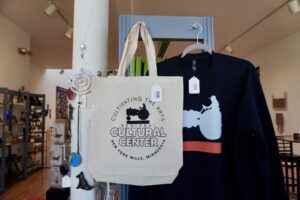
As an anchor on the town’s one-block Main Avenue, the Cultural Center recognizes that its success is closely connected to the vitality of the surrounding downtown and region.
“The other big story that we try to talk about, especially being in a small community, is that we are bringing a $2.3 million investment into this community, into downtown,” Roder explains.
That investment has implications beyond the Cultural Center itself. Bringing people into town creates opportunities for neighboring businesses, supports local economic activity, and gives residents and visitors additional reasons to spend time in the community.
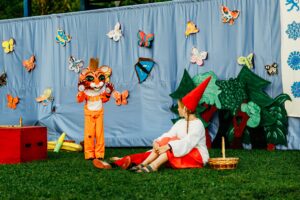
“Because hopefully, what we’re doing is bringing people to town, we’re increasing economic development, we’re building community and those things should be beneficial to all community members and businesses alike. That’s really part of our mission and our vision and why we do our work,” Roder says.
This is the broader potential of rural placemaking: creating and strengthening places that give people reasons to connect, participate, and invest in their communities.
These investments can also build something less tangible but equally important: community confidence. When residents see an idea take shape and recognize the value it brings to their community, it can inspire additional collaboration, new initiatives, and a willingness to invest in future opportunities.
For the Cultural Center, that means communicating that its work is not simply about serving one organization or one community.
The New York Mills Regional Cultural Center is an example of how funders can support projects at the ground level, giving organizations the ability to build upon those initial investments, attract additional funding and bring their goals to fruition. In turn, those investments strengthen the communities they call home.
Sign Up for E-News
Subscribe to our periodic newsletter for updates and opportunities about vibrant rural Minnesota.